
You do not need a new game to feel like you won something tonight. Most punters treat a fresh release like a second mortgage, then wonder why their pulse never settles past the first spin. A quiet session with a small card pack and a clear stop line beats chasing a headline every time, because the fun lives in the rhythm, not the jackpot screenshot. If you are planning a celebration launch casino games AUD kind of night, you are really buying a few hours of controlled noise, not a lifestyle upgrade.
Picture a Saturday evening at a Burleigh Heads flat, ceiling fan ticking over while the humidity sits heavy outside. You crack open the app, tap through the onboarding screens, and set yourself a fifty-dollar limit before anything loads. The screen glows bright against the dark kitchen, and you tell yourself the whole point is to laugh at the bad beats as much as the lucky ones. That mindset changes everything, because you stop reading the odds like a tax invoice and start treating the session like a proper night out.
Local operators know the drill, and the sensible ones build their onboarding around that same expectation. You will see welcome offers that look generous until you read the wagering terms, and the good news is that the fine print is usually front and centre if you bother to scroll. A responsible session starts with a limit you can afford to lose before you even pick a game, and that rule applies whether you are playing a stacked card table or a simple reels title. The Interactive Gambling Act 2001 shapes how Australian-facing sites structure their offers, which is why you often see playthrough conditions and geo-targeting steps rather than a plain open door.
Set a clear limit before the first spin
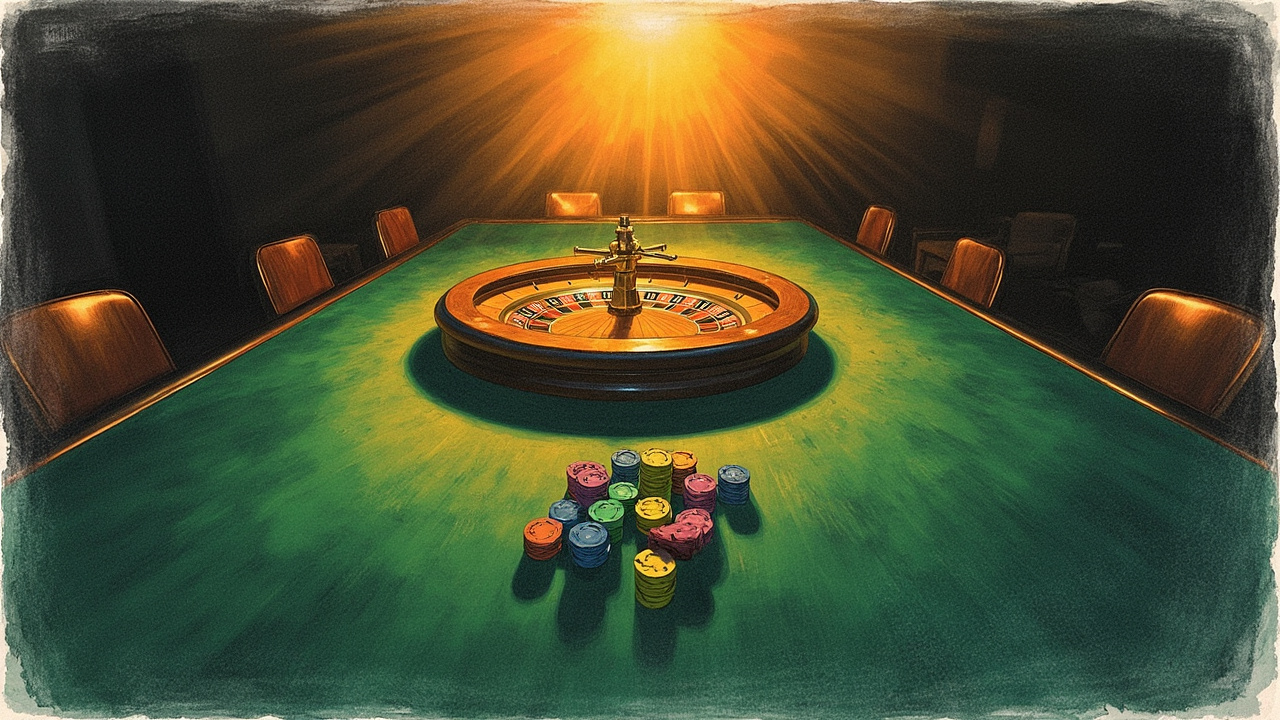
You should lock in a hard ceiling before the first card is dealt, because a number written down beforehand survives the emotional swings that wipe out vague intentions. A weekend social player who treats the spend as entertainment money will decide on a figure like fifty dollars, then walk away the moment the balance dips below ten. That sounds simple, but the discipline matters more than the amount, since a small session with a firm exit beats a blown budget every single time.
Some players also check the verification requirements early, because the paperwork you need to clear can slow down a withdrawal if you leave it until the end of the night. The table below shows the sort of checks you might face depending on how you pay and how much you move through the account.
| Payment method | Typical verification needed | Withdrawal timeframe | Notes for Australian players |
|---|---|---|---|
| Credit or debit card | ID check plus card ownership proof | One to three business days | Card names must match the account holder |
| E-wallet | Email and phone verification, sometimes ID | Same day to two days | Faster exits, but check the wallet’s own terms |
| Bank transfer | Full ID and sometimes address proof | Two to five business days | Slower, but useful for larger moves |
| Prepaid voucher | Limited ID, often transaction-based | Varies by operator | Smaller limits, and not every site accepts them |
That spread matters because a quick payout sounds great until you realise the verification queue has been quietly running in the background. You can read more about how different titles handle their own pacing at spribe gaming mines if you want a feel for how a quick-play format keeps the session moving without demanding a long commitment.
Pick one game and learn its rhythm first
Choosing a single title and sticking with it for the first hour saves you from the scattergun approach that burns through a balance before you have learned a single rule. A simple card game or a reels title with a clear paytable is a better teacher than six different screens you never properly read. You will spot the patterns faster when you are not jumping between mechanics, and that familiarity is what turns a novelty into something you can actually enjoy.
A quick way to judge whether a game is worth your time is to watch the pacing rather than the advertised top prize. If the rounds feel rushed and the bonus triggers seem rare, you are paying for spectacle rather than engagement, which is a poor trade for a social session. A slower title with a readable rule set usually gives you more room to make decisions, and that is where the entertainment value actually lives.
Use a small card pack as your session boundary
A physical reminder works better than a mental promise, so some players keep a small card pack on the table and tear off one section per hour to mark the time boundary. That tactile cue stops the drift that happens when you lose track of the evening and suddenly realise you have been tapping for three hours. You do not need a fancy system, just something that interrupts the autopilot before it carries you past your limit.
The trick is to treat the card pack as a signal, not a scorecard, tasleemyaat.com because the goal is to end on your own terms rather than to squeeze out every last dollar. A session that finishes because you decided to finish is the whole point of treating this as entertainment spend. You walk away with the night intact, which is a better outcome than forcing one more round and hoping the screen turns friendly.
Know when a handpay changes the mood
A handpay happens when a jackpot is too large for the machine to pay automatically, and that moment changes the atmosphere of a venue faster than any advert ever could. The staff come over, the paperwork starts, and the quiet hum of the floor gives way to a proper fuss, which is exactly why a big payout feels different from a routine win. For an online session, the equivalent moment is a withdrawal that triggers extra checks, and you should expect that delay rather than treating it as a personal slight.
Noah Brown, Chief Financial Officer, Coastal Wager Research, puts it plainly: “A big win that requires manual payout always slows the evening down, so players should plan for the paperwork instead of banking on instant access.” You can see the same caution in how some operators structure their larger withdrawals, and it is worth reading the terms before you treat a hypothetical jackpot as spendable cash. A realistic session stays fun because you never count on a handpay-sized moment to rescue a blown budget.
Watch the wagering terms before you celebrate
A welcome offer looks generous until you read the playthrough conditions, and the gap between the headline number and the usable balance is where most social players get caught. You should scan the wagering multiplier, the game weighting, and the time limit before you treat any bonus as real spending money. A fifty-dollar deposit with a thirty-times playthrough is not fifty dollars of fun, it is a set of rules you have agreed to follow, and that distinction matters for a weekend session.
Lachlan Fisher, Sports Betting Analyst, Southern Reef Gaming, sees the same pattern in how offers are marketed: “The advertised number is a lure, and the real cost is the time and discipline the terms demand, so read the conditions before you celebrate the balance.” You can compare how different operators pace their offers by looking at how they handle verification and exits, and a handy guide to that sort of comparison lives at a practical payout guide if you want to see what a smoother withdrawal path looks like. The point is to treat the bonus as a condition-laden extension of your session, not as free money.
Treat a Calcutta pool as a different kind of night
A Calcutta is an auction-style pool where punters bid to own runners, and that format turns a betting night into a social auction rather than a solo screen session. The fun comes from the bidding war and the shared pool, not from watching a single outcome unfold, which is a very different energy from a standard casino evening. You would not use a Calcutta mindset for a quiet card session, because the two experiences reward different kinds of attention.
Some players like the auction energy because it gives the group a shared story, and that social layer is what makes the format work for a mates’ night. You still need a budget and a clear exit, because the bidding can drift just as easily as any other session if nobody sets a ceiling. The takeaway is to match the format to the mood you actually want, rather than borrowing a social pool structure for a solo screen night.
Learn why a skill-game label is not a free pass
A common misconception is that calling a game a skill title, like the way Rummy is legally treated as a skill game in some jurisdictions, automatically makes it a safer or more predictable spend. The reality is more nuanced, because a skill label changes the legal conversation in certain places but it does not turn a session into a reliable income stream or remove the need for a limit. You still need a budget, a clear exit, and a realistic read of the variance, because the label is about classification rather than a promise of better outcomes.
A before-and-after comparison makes the point clearly: before you treat a skill-game label as a green light, you are guessing at the risk and hoping the name protects you; after you separate the label from the session mechanics, you can judge the game on its pacing, its terms, and your own limit instead. That shift is what keeps a social session from sliding into a false sense of control, because the label alone never tells you how the evening will actually feel.
End the night before the screen pulls you back
A good session ends on your own schedule, not when the app decides to offer one more round at sunrise. You close the app, put the card pack aside, and leave the balance where it sits rather than chasing a recovery that belongs to a different mood. The evening stays a proper entertainment spend when you respect the stop line, and that discipline is what makes the whole night worth repeating.
The same Burleigh Heads flat feels different when you walk away on your own terms, because the ceiling fan is still ticking and the humidity is still sitting heavy outside, but you are no longer arguing with a screen. A celebration launch casino games AUD kind of evening is really just a few hours of managed fun, and the best nights are the ones that finish before the fun starts costing you more than you planned.